Game info
Motorcycle, Traffic racing, First person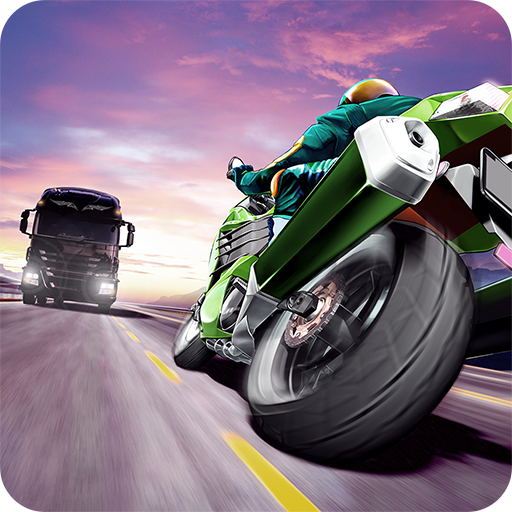
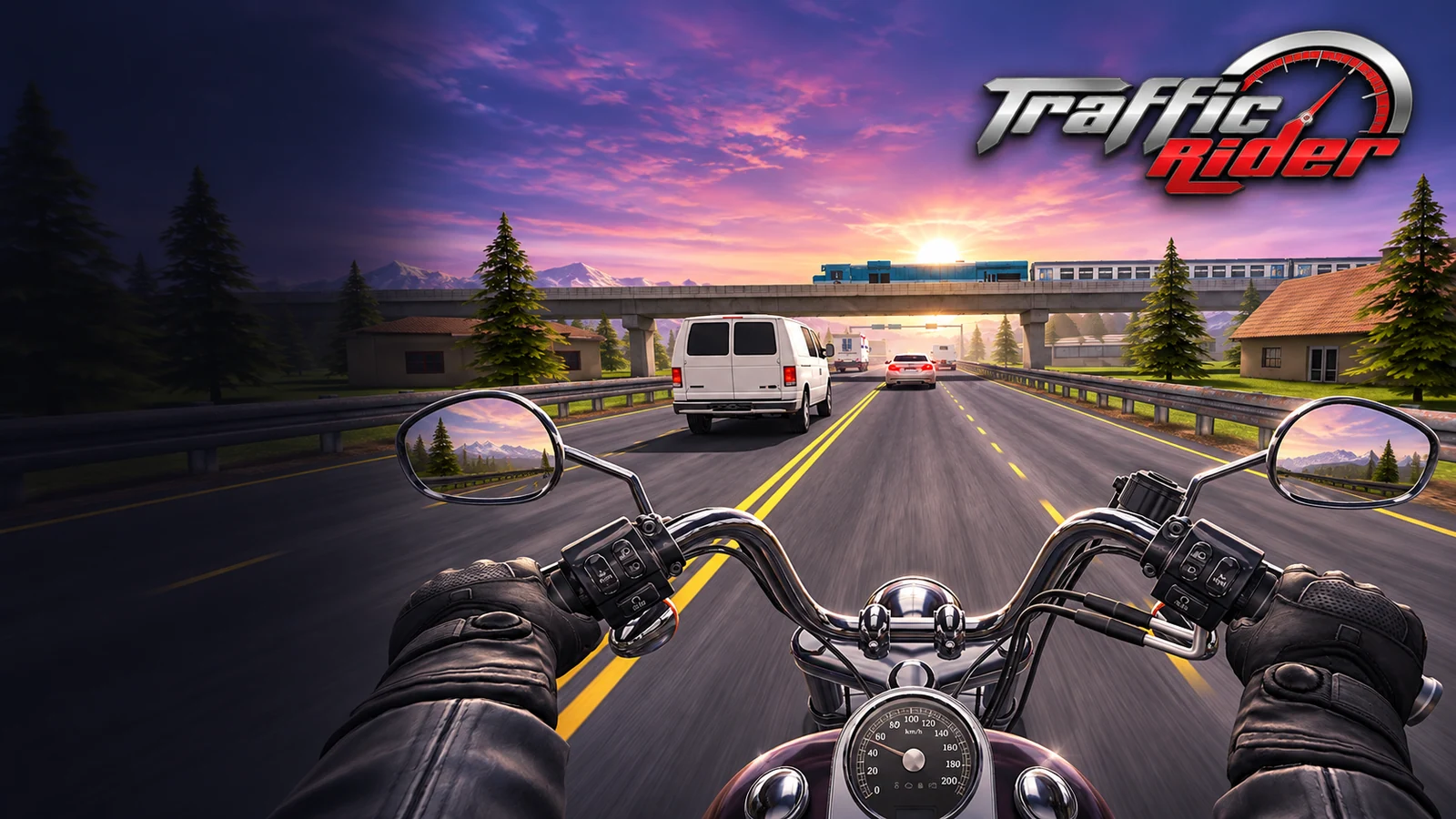
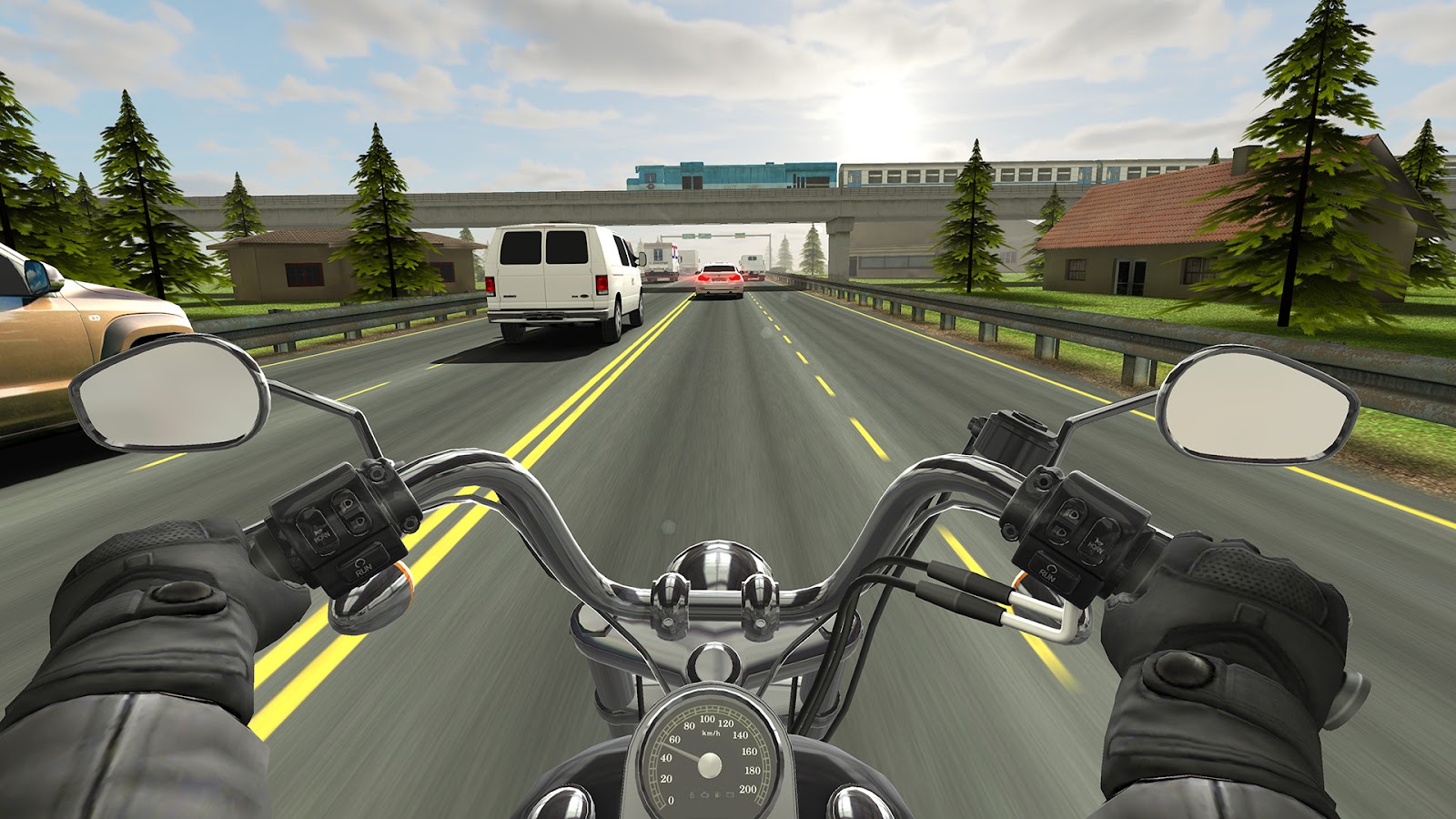
Traffic Rider is a first-person motorcycle game built around riding through road traffic. Speed creates score opportunities, but reading the vehicles ahead and leaving a usable gap is what keeps a run alive.
About Traffic Rider
Traffic Rider is a first-person motorcycle game built around riding through road traffic. Speed creates score opportunities, but reading the vehicles ahead and leaving a usable gap is what keeps a run alive.

Gameplay overview
Accelerate, steer between vehicles and respond to the road conditions and mission requirements. A narrow overtake can be rewarding, but the rider must still have a clear route after it. The camera perspective makes distant traffic and relative speed important information.
How to Play
Look two or three vehicles ahead rather than reacting only to the nearest bumper. If a lane is closing, reduce speed early instead of making a last-second swerve. Overtake where there is room to return to a safe line. A run with fewer risky near misses can teach traffic spacing more effectively than repeatedly crashing at maximum speed.
Controls
Official mobile game: selectable touch or motion steering with acceleration/braking controls. Browser motorcycle alternatives commonly use arrow keys or WASD.
Pro Tips
- Read gaps beyond the next vehicle.
- Use braking before a lane becomes completely blocked.
- Check the current mission objective.
- Treat a browser Traffic Rider 3D title as a separate build until verified.
Making Better Decisions
Judge traffic using relative movement. A vehicle that appears far away can become an immediate obstacle when your closing speed is high, while a small gap may be usable at a lower speed with an open lane beyond it. Build a habit of scanning further down the road before overtaking. If the route is unclear, reduce speed before entering the gap, not after it has disappeared. Use a practice run to learn the selected steering option and braking response before chasing a mission target. A failure is useful when it reveals where the available space closed. Compare that moment with your previous lane choice. First-person perspective, native motion controls and browser keyboard handling can feel different even when two games share a traffic-riding theme.
Features, Modes and Progression
The official app has motorcycle progression and a career structure. A similarly named browser traffic game may offer only a short score run and different bike handling.
Read a gap as a route, not a point
An opening between vehicles is useful only if it leads to space you can continue using. Before moving towards it, inspect what is ahead and what would happen if another vehicle narrows the gap. A late correction can feel like a reflex problem even when the risky route was chosen much earlier. Leave enough room to make the next decision rather than committing every part of the ride to the immediate overtake.
Make a retry answer one question
Choose an adjustment you can observe, such as keeping a calmer line or recognising a crowded section sooner. Compare the next attempt with that specific aim. If the selected mode changes speed, targets or scoring conditions, read them before using a previous session’s approach. The same road behaviour does not necessarily serve every objective equally well.
First-person motorcycling and a career of road missions
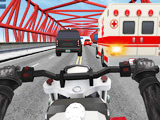
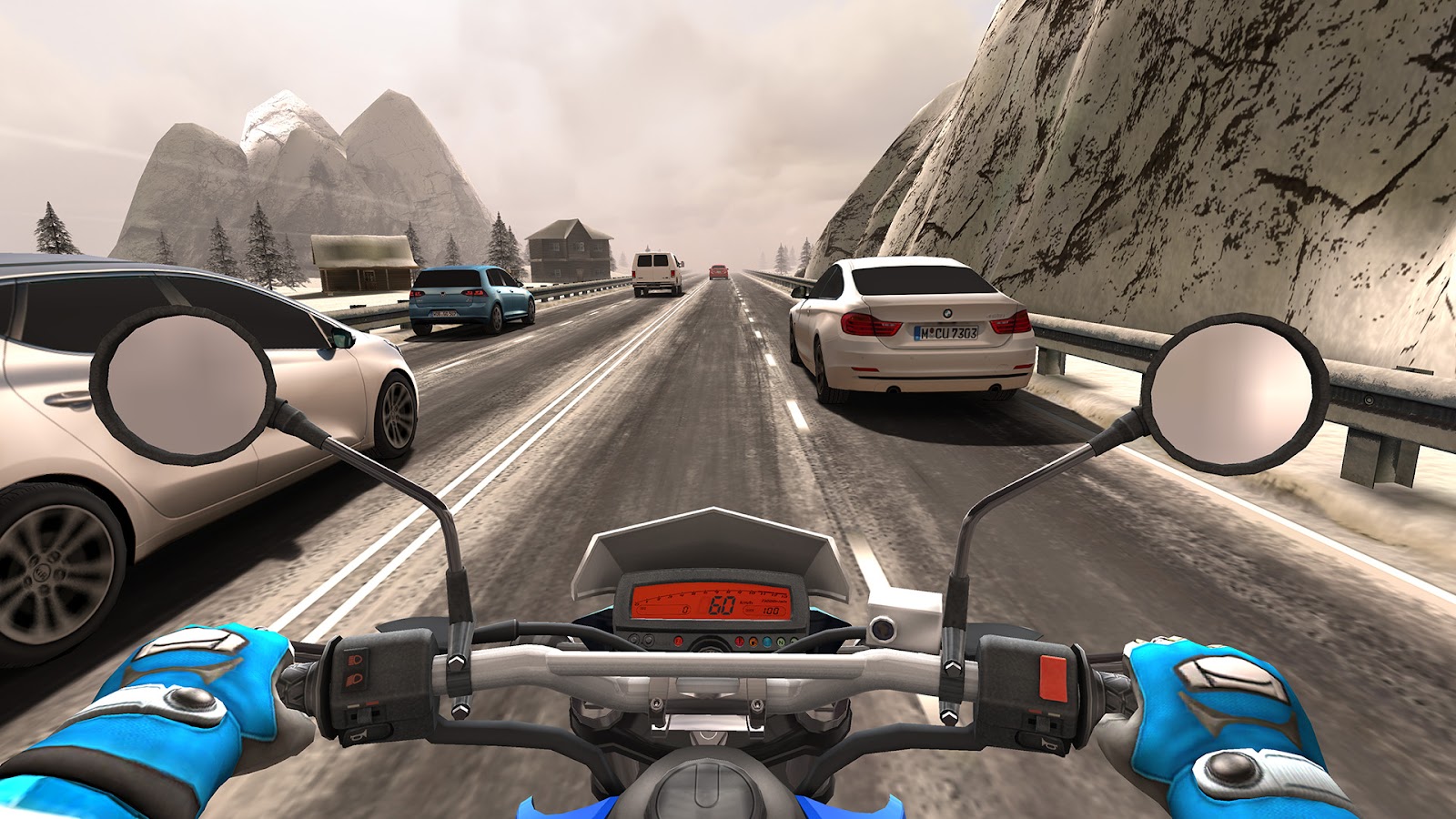
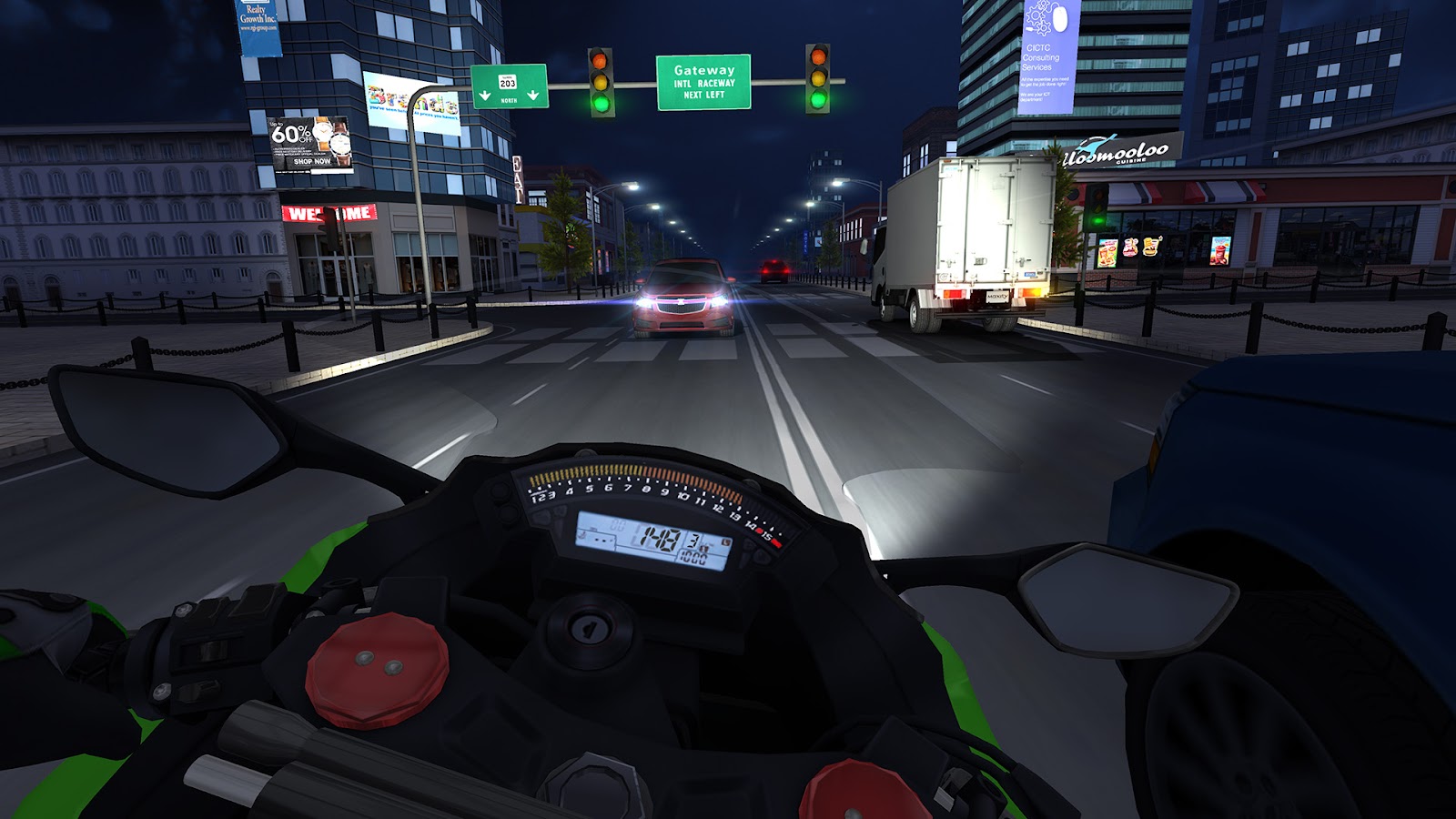
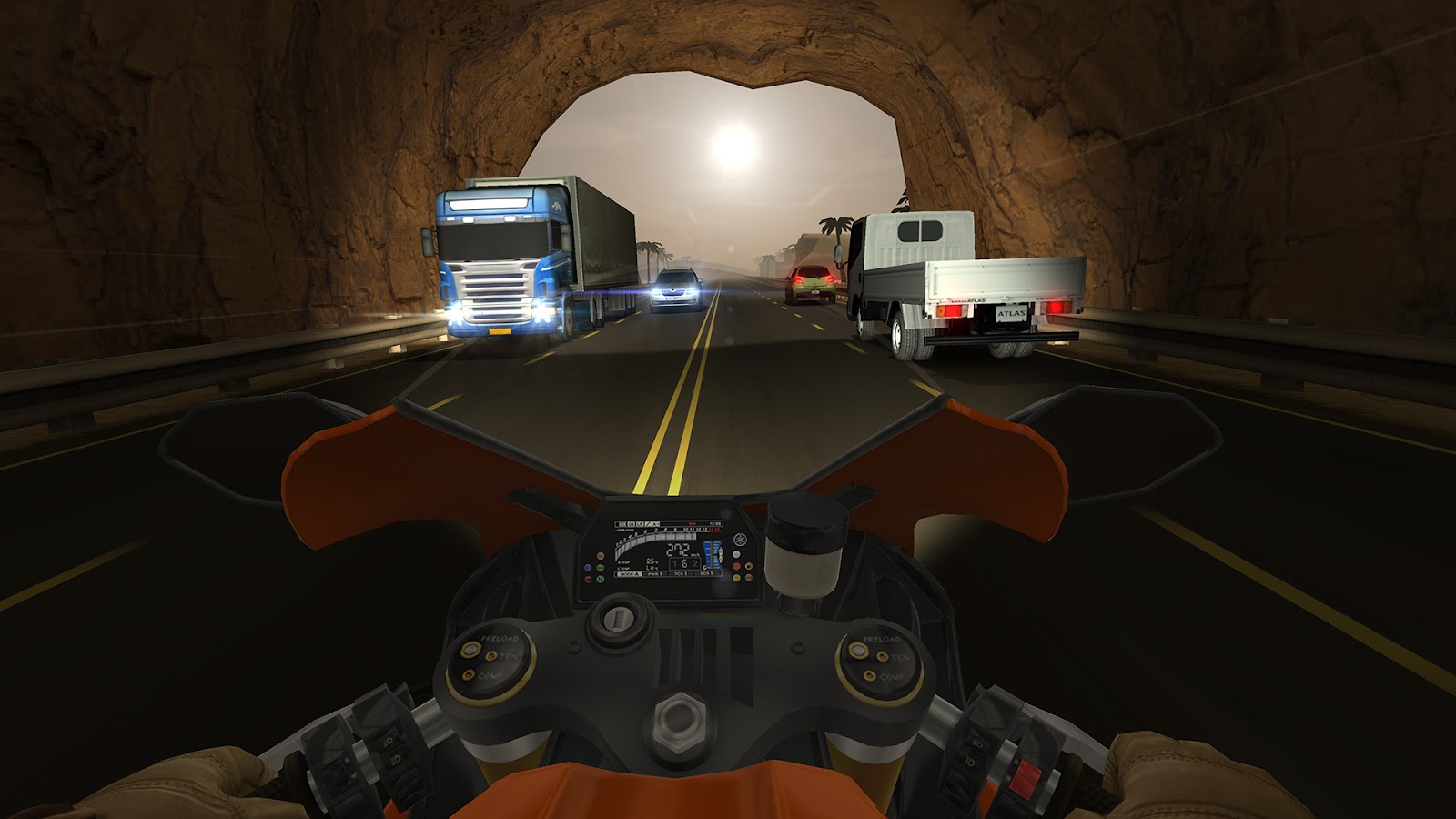
Traffic Rider's published identity combines a first-person motorbike view with an endless-road structure and a career mode. Seeing the handlebars and road from the rider's position changes how gaps are judged. Read the width and direction of traffic before choosing the next approach. A route that looks open in the distance may need an earlier change of position once another vehicle moves into it.
Career missions give the ride a destination beyond simply staying on the road. Read the actual condition before starting, then compare the route with that goal. A controlled journey that misses a time or progress requirement needs a different adjustment from an early collision. Separating those outcomes makes the next attempt more useful.
Motorbikes, recorded engine sounds and changing environments
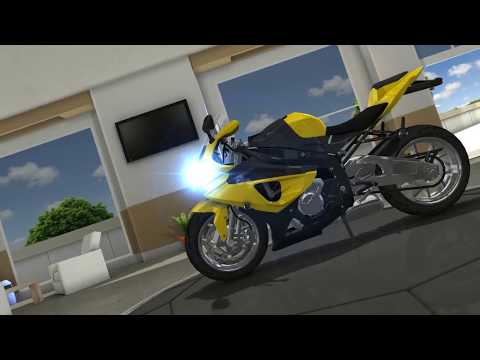
The original product describes a selection of motorbikes, engine audio recorded from real bikes and environments with day and night variations. These features contribute to the riding identity without replacing the need to learn each vehicle's response. A new bike is easier to judge on a familiar mission than on an entirely different road.
Use sound and the first-person view at a comfortable level. If the camera intensity makes a session uncomfortable, pause and review the available settings instead of trying to push through a longer run. Related motorbike games can offer another camera or control system, so check their instructions again. Traffic Rider is distinctive when the bike's response, the road's gaps and the mission requirement all become part of the same readable ride.
Reading the road beyond the nearest vehicle
Traffic Rider places the viewpoint behind the handlebars, making the road's gaps and the bike's position central to the experience. Look farther ahead than the vehicle immediately in front. A gap that is open now can close as traffic moves, while a clear lane farther along may require an earlier change of position. The useful decision begins before the bike reaches the obstacle.
Keep the width of the available path in mind. A route that appears open from a distance may be narrower when another vehicle approaches it. Read the next section of road before adding speed. The game rewards controlled movement through traffic; a last-second correction cannot always undo an approach made without enough room.
Acceleration, braking and a usable escape route
Speed changes the time available to read a situation. Before accelerating into a busy section, identify where you can move if the expected gap becomes awkward. Slowing or changing position early can preserve a choice that would disappear during a hurried manoeuvre. Braking is part of controlling the route rather than a sign that the attempt has failed.
Practise a familiar road section at a pace where traffic remains readable. Notice which vehicle movements are difficult to judge and where you tend to react late. Then adjust one part of the approach. Increasing speed before those decisions are comfortable can make every difficulty look like an input problem, even when the real cause is limited room or late observation.
Missions and the purpose of the current run
Read the selected mission or mode objective before starting. A distance target, a time condition and a score-oriented run can create different priorities. Trying to pursue every possible reward at once can turn a manageable route into unnecessary risk. Choose the action that supports the requirement actually displayed by the game.
When a run ends, compare the result with that objective. If progress stopped because of a collision, identify the earlier approach that left little recovery space. If movement was controlled but the target was missed, the pace or route may need attention instead. Those are different adjustments and should not be confused.
Understanding a new bike or upgrade
A different bike can change how the controls feel. Use a familiar section to judge the effect before expecting an immediate improvement on the most difficult mission. Notice acceleration, steering response and how comfortable it is to maintain a chosen gap. A specification shown in the menu is useful, but the practical result still needs to fit the way you ride.
Keep resource spending connected to a problem you understand. If repeated failures begin with late lane decisions, a faster bike may leave less time to correct them. An upgrade can improve equipment without replacing the skill of reading traffic. Separate handling practice from progression so each change has a clear purpose.
Camera comfort and device controls
The first-person view can feel more intense than a distant camera. Use a comfortable screen position, take breaks when needed and review the game's visual or control settings. On touch devices, confirm how steering and braking are assigned before starting a demanding run. On a keyboard, locate the relevant keys while the opening area is still calm.
skgames' official website and the store listings below identify Traffic Rider's published mobile release. Check current menus for supported modes and input options. The related collection includes other motorbike and road games, but their steering and collision rules can differ. Traffic Rider is most rewarding when speed follows a readable route: look ahead, leave room and make the next movement before the road forces it.
Worked example: reaching an obstacle without room to correct
Suppose the vehicle approaches a difficult section quickly enough to reach it but leaves little time for the next steering or balance decision. The final collision or rollover is only the last visible event. Compare an earlier adjustment in pace or position. Preserving control before the obstacle may be more useful than trying a larger correction after the route has already become restrictive.
Test that change on familiar ground. Notice the position after the difficult section, not only whether the vehicle passed its first edge. A route is more dependable when it leaves a usable next step. Keep terrain, traffic and the selected game's actual objective in view rather than treating every visible reward as the immediate priority.
Worked example: a stronger vehicle with the same old approach
An equipment change can alter acceleration or handling while leaving a repeated decision mistake unchanged. Use the same section to compare the effect of an upgrade. Did the vehicle reach a better position, respond differently or simply arrive at the old problem sooner? Those observations explain more than expecting the next run to produce a record automatically.
When trying another vehicle, give its controls time to become familiar. The menu's specifications do not replace learning how the current route feels. Changing equipment and the entire route simultaneously makes the result difficult to compare. A small controlled test gives the progression choice a practical meaning.
Set up the controls before the demanding section
Confirm steering, acceleration, braking and any other actions in the current player. Touch layouts, tilt input and keyboard controls are not interchangeable assumptions. Use a comfortable view where the upcoming road or terrain remains visible. If a run fails, distinguish an unfamiliar input from an approach that left too little room. Each needs a different correction, and identifying the difference lets a short practice session improve something more specific than the final distance or score.
Related games
Frequently asked questions
Why do crashes happen after a successful overtake?
The next gap may already be closing; judge the route beyond the vehicle you are passing.
Does a browser traffic game contain my native-game bikes?
No shared progress or account integration has been established.
Who develops or publishes Traffic Rider?
skgames
Which controls should I use?
Official mobile game: selectable touch or motion steering with acceleration/braking controls. Browser motorcycle alternatives commonly use arrow keys or WASD.
Is it free?
The observed Google Play listing is free to download and offers in-app purchases. A browser alternative has its own provider terms and may include adverts.
Can I use my official account or saved progress in a browser alternative?
No account, purchase or save transfer is established unless the developer explicitly documents it for that build.
What games should I try next?
Compare motorcycle traffic, Traffic Rider, highway bike, first-person bike racing. The related list prioritises shared mechanics and preserves each game’s real identity.
Good game? Tell us.0
Share a tip, celebrate a high score, or tell us what you think. Keep it friendly.